Antidepressant Switch Framework
Switching antidepressants is one of the most clinically significant moments in psychopharmacology.

Clinical references on psychiatric reasoning, medication considerations, risk-factor review, and documentation workflows.
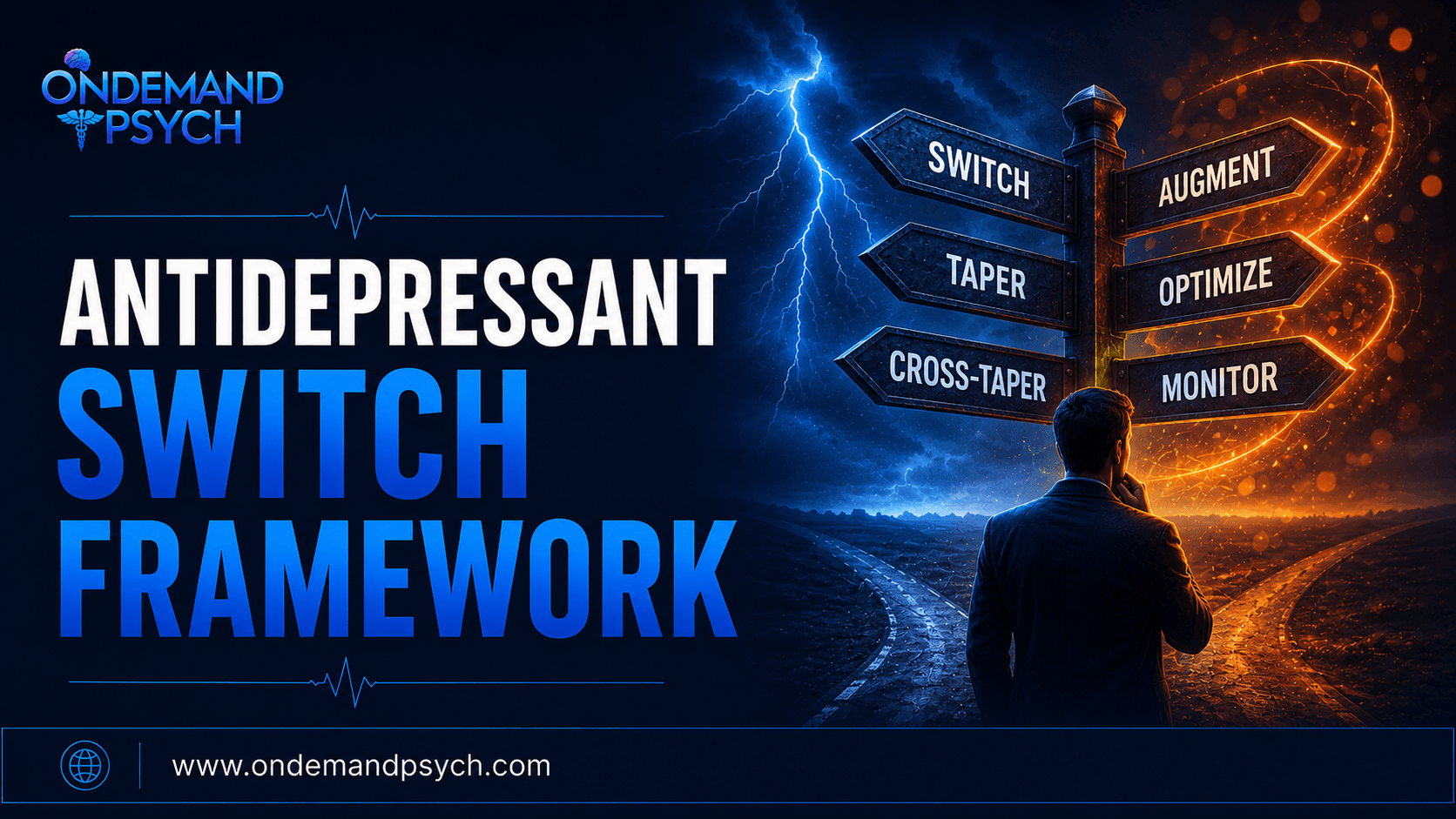
Switching antidepressants is one of the most clinically significant moments in psychopharmacology.

Racing thoughts, poor sleep, restlessness, difficulty concentrating, and feeling "wired" are commonly attributed to anxiety.

Bipolar II disorder is frequently overlooked because patients rarely present with obvious hypomania.
Borderline Personality Disorder and Bipolar II Disorder are among the most commonly confused diagnoses in psychiatry because both can involve emotional instability, impulsivity, relationship difficulties, and mood changes.
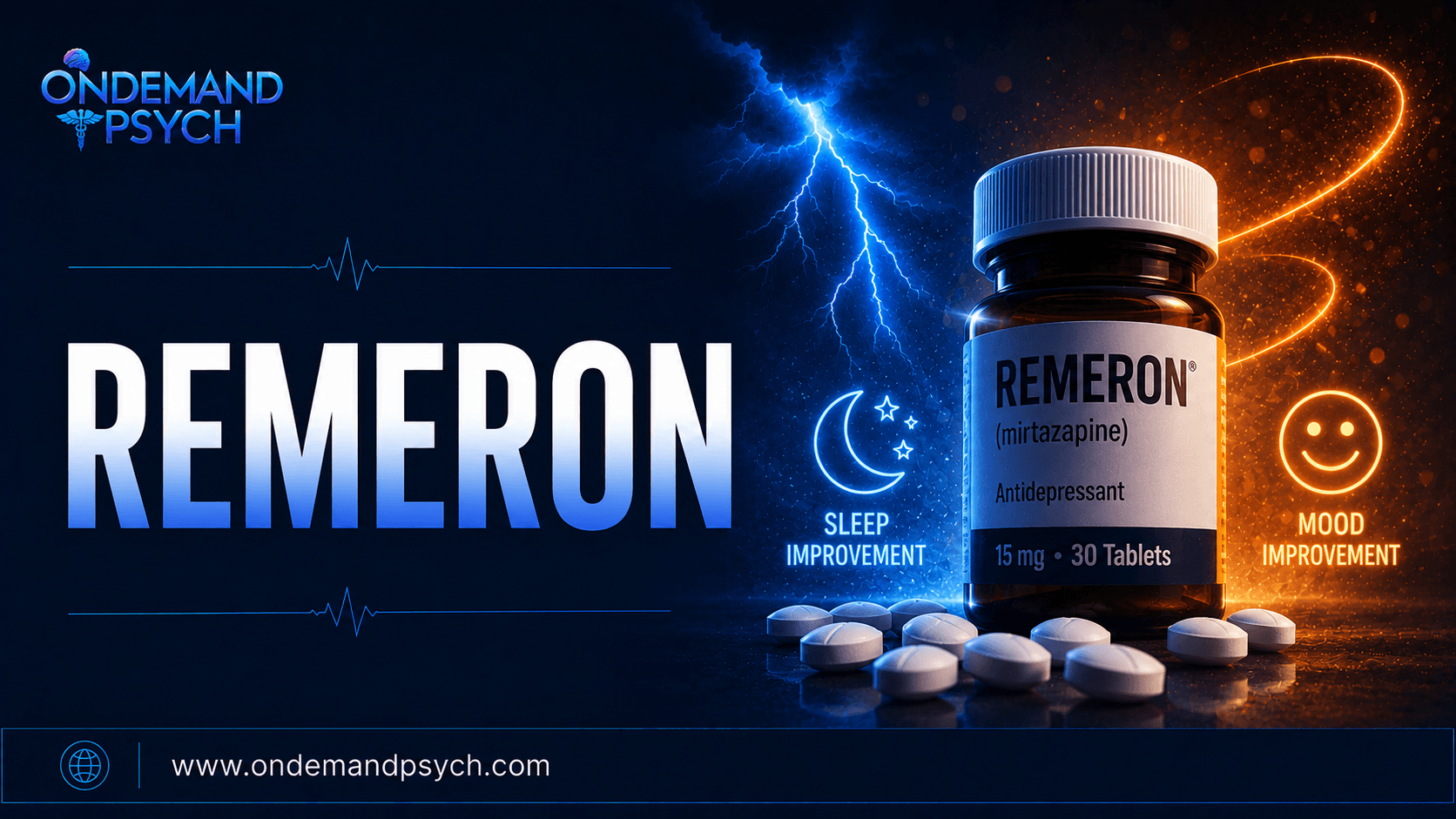
Mirtazapine is widely used for depression, particularly when insomnia, poor appetite, or weight loss are prominent concerns.
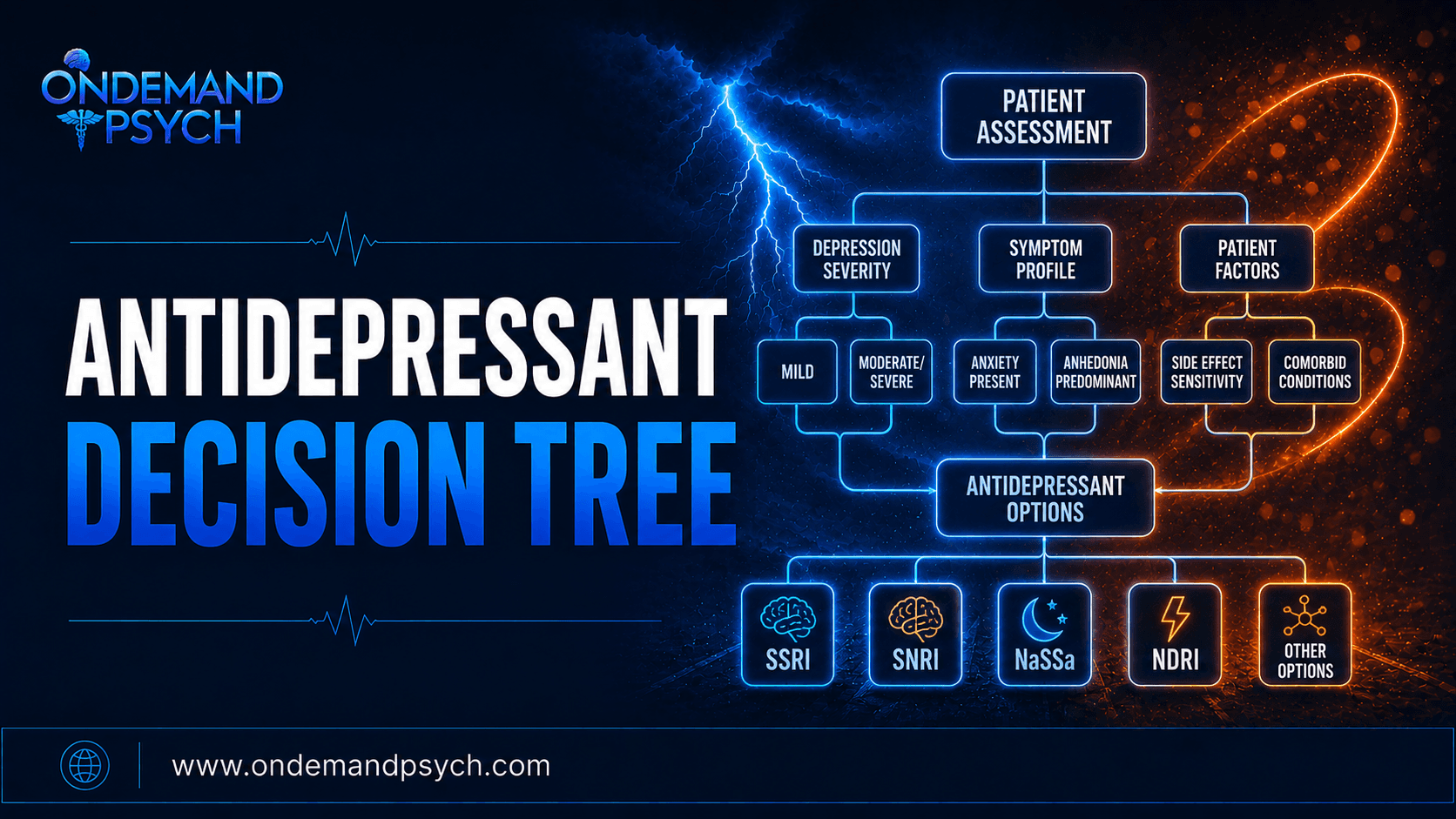
Selecting the next antidepressant is rarely about finding a universally "better" medication.
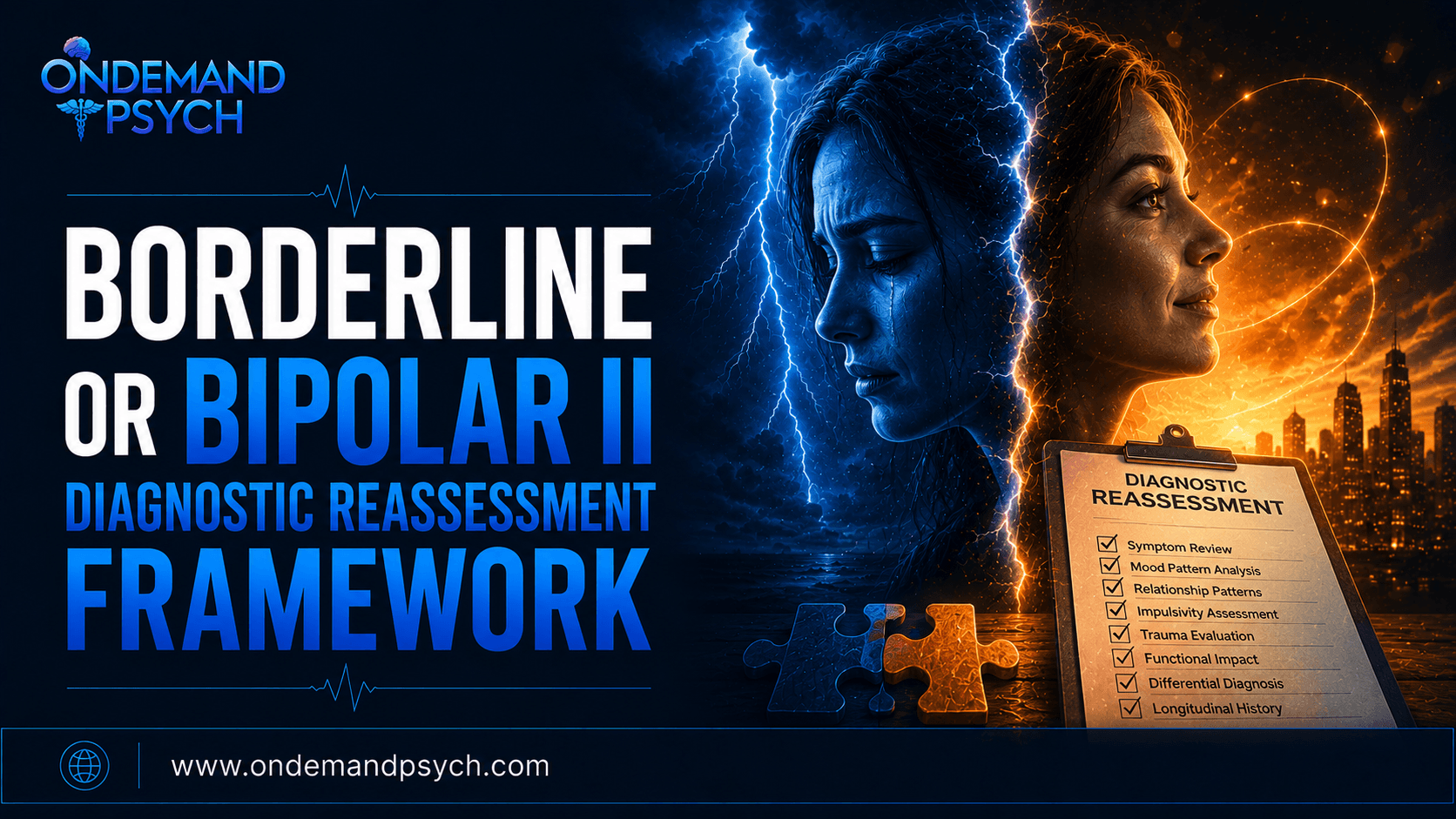
Borderline Personality Disorder and Bipolar II Disorder often share overlapping symptoms, making accurate diagnosis challenging.
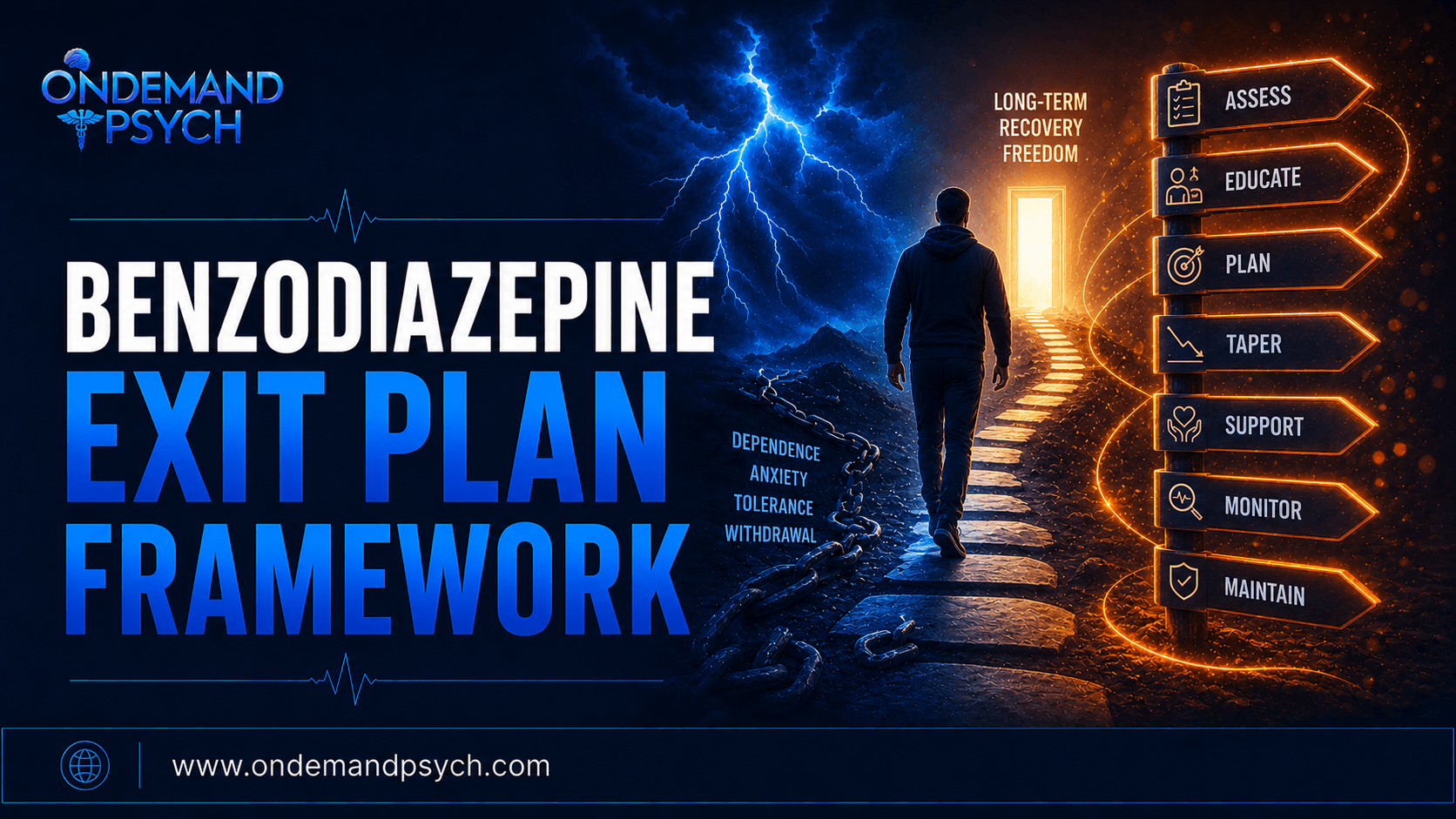
Benzodiazepines can provide rapid relief for anxiety, insomnia, and acute psychiatric symptoms, but many long-term prescribing challenges begin when an exit strategy is never established.

ADHD and Bipolar Disorder share many overlapping symptoms, including distractibility, impulsivity, restlessness, poor concentration, and racing thoughts.
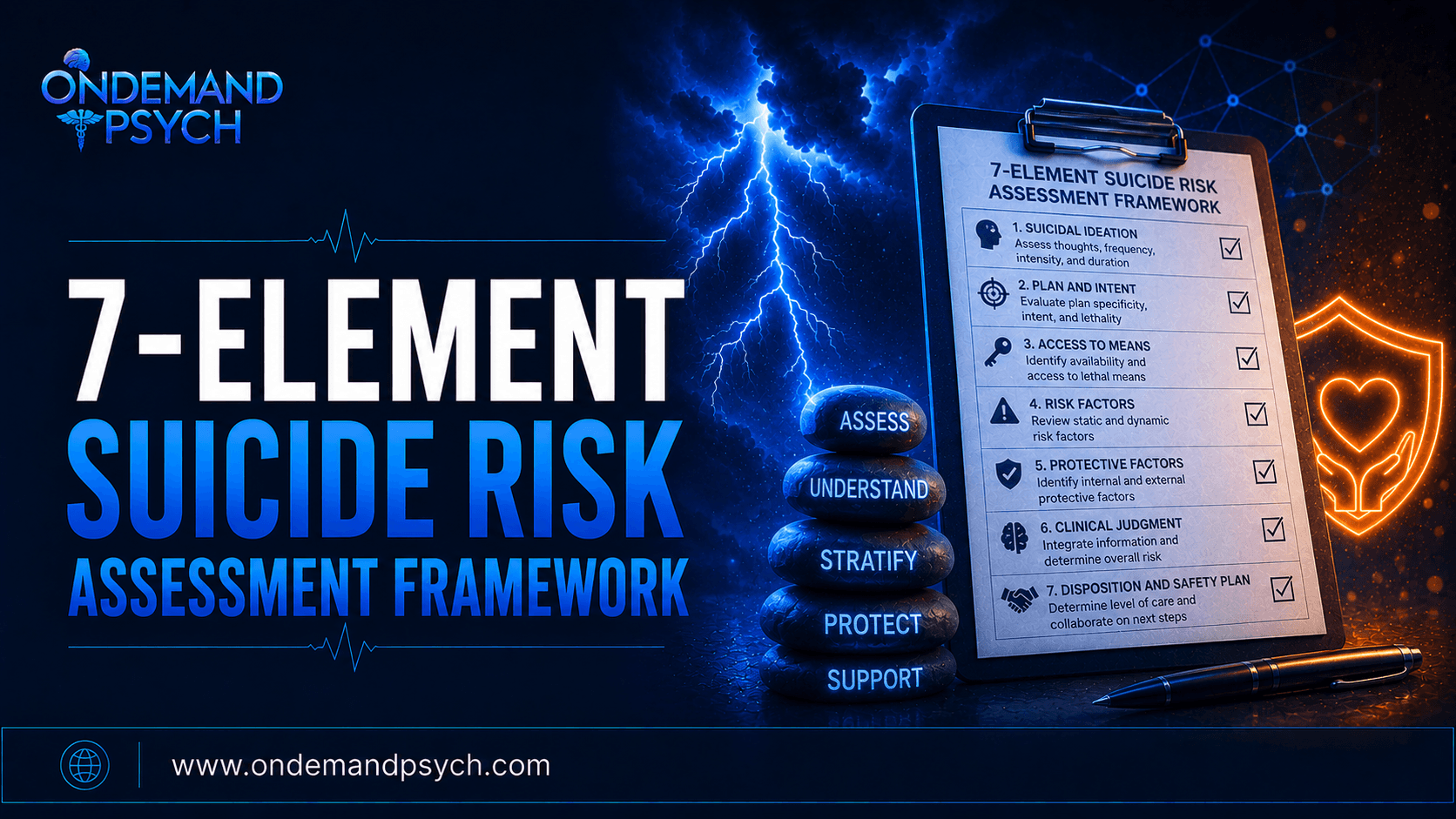
A statement such as "denies suicidal ideation" is an important clinical data point, but it is not, by itself, a suicide risk assessment.

Effective clinical documentation is not measured by length.

Polypharmacy rarely develops from a single decision.

Lithium remains one of the most effective and extensively studied medications in psychiatry, yet it is often underutilized because of concerns about monitoring and safety.

Strong psychiatric documentation is not defined by length.